Tough cuts or long-term patience?
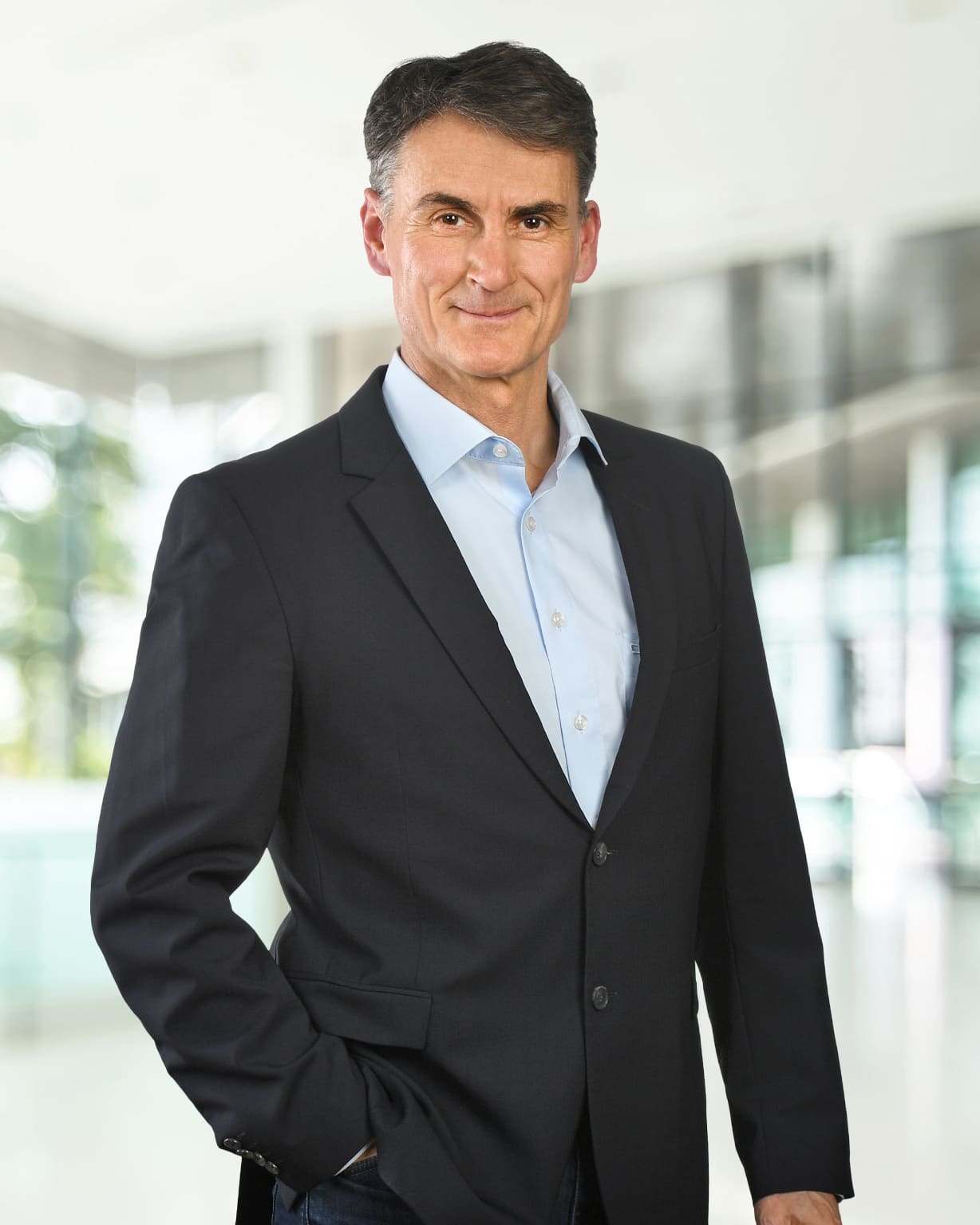
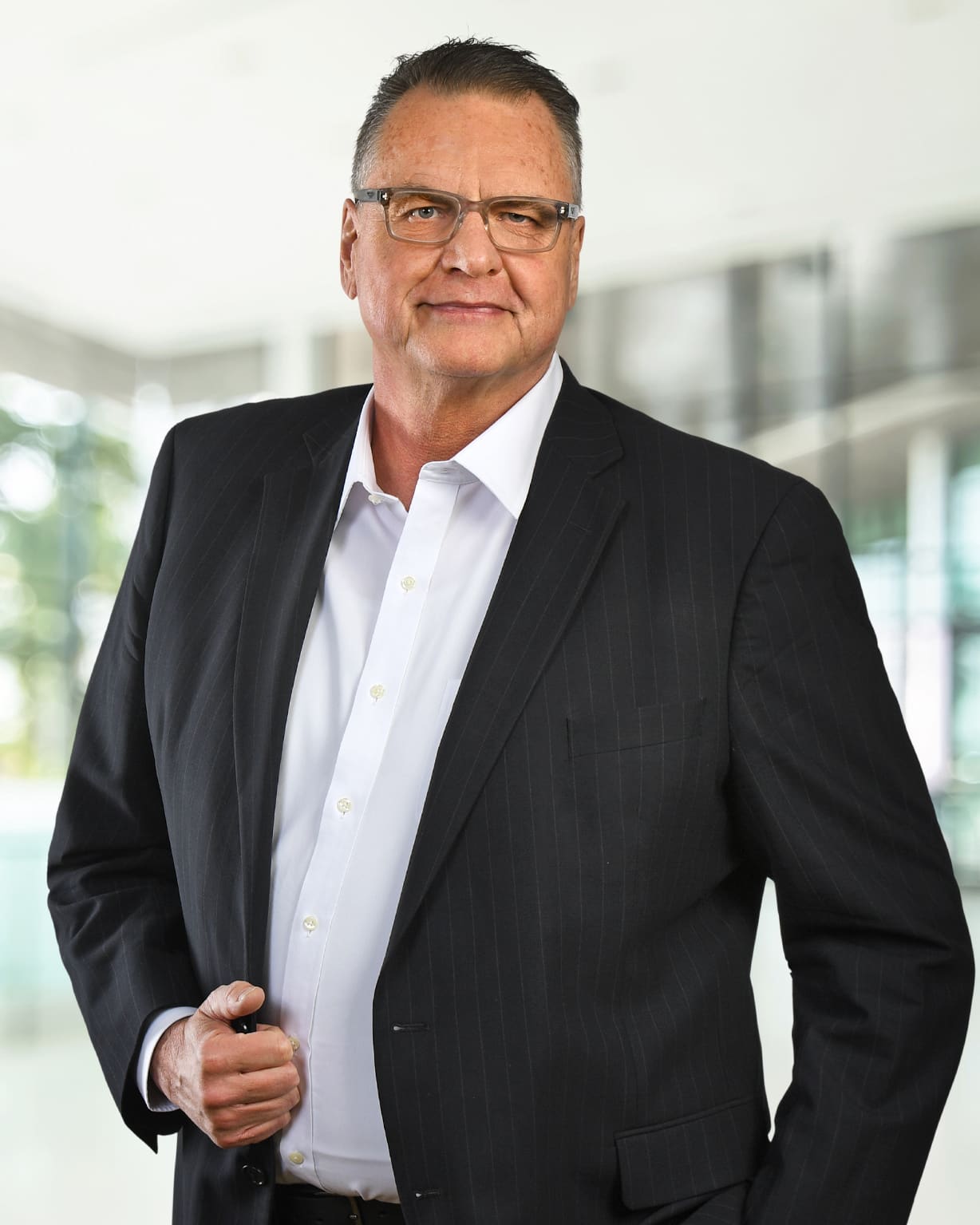
Markus Ganter, Stefan Künzler, Urs H. Toedtli, Albert Pflugfelder – how does a turnaround actually come about?
Markus Ganter, Stefan Künzler, Urs H. Toedtli, Albert Pflugfelder – how does a turnaround actually come about?
Ganter: A financial crisis arises when turnover falls and costs rise. Profit drops significantly below the cost of capital or even turns negative. This may be due to external factors, such as outdated products and services being replaced by newer ones, or costs such as materials, energy or customs duties rising sharply. Often, however, it is internal factors, such as an outdated product range or inefficient production costs, that lead to a loss of competitiveness.
Can’t a turnaround be avoided?
Ganter: Not always. A company’s decline is often a gradual process that is not actively addressed by a long-standing management board. Fear or ignorance lead to the attitude: ‘We’ll just have to see it through.’ This denies reality and wastes valuable time and resources that could be used to identify problems and bring about change.
Large companies often have deeper pockets. In a crisis, does this tend to lead to complacency or to decisive action?
Künzler: There is indeed a risk that a financial cushion may lead to indecision. The crucial question is whether one recognises a crisis at an early stage and acts decisively. In many cases, people wait too long, which makes the necessary turnaround all the more painful later on.
And how do you prevent a turnaround in a listed company from becoming a mere PR exercise?
Toedtli: Real substance rather than fine words – the capital markets quickly see through pure PR measures. A credible turnaround is demonstrated by hard facts such as cost reductions, new business models or a strengthened market position.
When is it better to divest a division entirely rather than undergo endless restructuring?
Künzler: If a business segment no longer fits the strategic direction or is structurally unprofitable, selling it off or closing it down may be the best course of action. This requires courage, but it is often the only way to strengthen the company as a whole.
When are radical measures needed in an industrial turnaround – and when is patience required?
Toedtli: One must distinguish between short-term measures and sustainable transformation. Rapid cost-cutting is often unavoidable in order to secure liquidity. At the same time, one must not jeopardise long-term innovative capacity.
How does one orchestrate a turnaround across an entire value chain?
Toedtli: Manufacturing companies depend on suppliers, production capacity and customers. A successful turnaround must therefore involve all stakeholders and often bring external partners on board as well.
What role does an external adviser or interim managing director play in this context?
Ganter: When owners and senior management begin to have misgivings about whether a company is still competitive and viable for the future, it is time to bring impartial and experienced individuals on board – to carry out a holistic analysis, develop a strategy and implement it. This resource provides additional expertise and capacity to enable day-to-day business to continue alongside the restructuring process. To avoid the need for a turnaround, it is highly recommended to have independent members on the board of directors who practise active risk management and engage in constructive dialogue with senior management to drive continuous improvement.
‘Middle managers who are open to change are the key – they must act as change ambassadors.’
Is middle management more of a brake or a driving force for change?
Pflugfelder: There are both types. Some actively promote change, whilst others block it out of fear or uncertainty. Middle management finds itself in a ‘sandwich position’. That is why it is essential to carry out a thorough ‘change mindset analysis’ – to assess the willingness of those affected to embrace change. There are managers who make it clear of their own accord that they do not wish to go through with the transformation. The challenge is to harness the potential of those middle managers who are open to change and to deploy the best of them as ‘change ambassadors’.
And is it more difficult to convince shareholders or employees to accept painful cutbacks?
Toedtli: Both groups have different interests. Shareholders expect results; employees expect stability. The key lies in clear communication and a vision that goes beyond short-term cost savings.
How do you get the workforce on board?
Toedtli: Open communication, highlighting opportunities and, above all, leading by example. Entrepreneurs who credibly demonstrate that they, too, are making sacrifices increase acceptance of painful measures.
Is the long-term perspective of family-owned businesses undergoing a turnaround an advantage – or an illusion?
Toedtli: It can be an advantage because it means you are less dependent on short-term return expectations. However, family business owners sometimes tend to cling too emotionally to old structures.
Will the current geopolitical uncertainty trigger the next wave of turnarounds?
Toedtli: Definitely. Supply chain issues, inflation and new market conditions will force many companies to rethink their business models.
Text: Stephan Ziegler
Image: Marlies Beeler-Thurnheer